Four fixed steps for a better end to the evening
A short closing routine: mark which tables actually had guests, note discrepancies while they're fresh, gather guest information worth carrying forward, and take the first steps in tomorrow's preparation before staff go home.
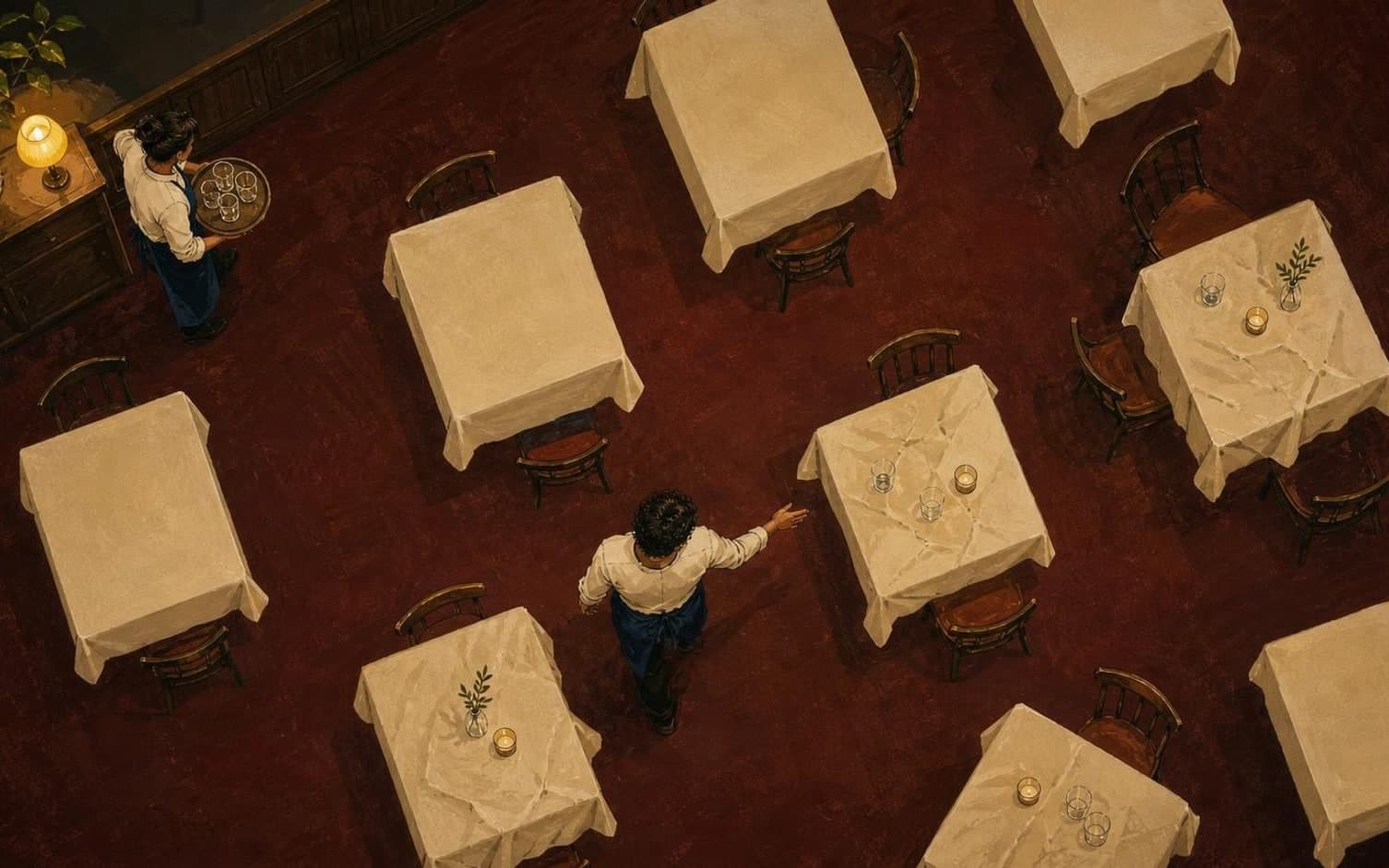
Mark the visit while it's still fresh
Toward the end of the evening, staff already know which bookings turned into actual visits, which were changed on the spot, and whether anyone never showed up. This information is freshest in the last few minutes of service. Waiting until the next day to record status means details about cause and timing are easily lost.
A fixed routine is to go through the evening's bookings table by table before staff leave the premises, checking actual status against what was planned. How long this takes depends on the number of tables and bookings, but the result is an overview that can be trusted when the next shift or next week's planning needs to use the figures.
Discrepancies belong in the log the same evening
A discrepancy might be a table set for the wrong number of guests, an allergy that didn't reach the kitchen in time, or a group that took longer than expected and delayed the next seating. These details fade quickly if they only live in the memory of whoever experienced them, making them hard to use afterward.
The routine should be to write down the discrepancy briefly and concretely, noting the time, what happened, and who was involved, without spending time explaining or justifying what took place. A short log read by several people over time is more useful than a long explanation written by one person after the fact.
Guest information worth carrying forward
Not all information from the evening needs to be noted, but some is worth carrying forward to the next visit: a seating preference that worked well, an occasion the guest mentioned, or a practical detail that made service easier. This kind of note gives staff a concrete starting point the next time the guest books, instead of starting completely from scratch.
In the dashboard, the restaurant can see bookings, guests, and the floor plan together, making it easy to add a short note while the evening is still clear in memory. TableBooking makes this overview available in Norwegian, Swedish, Danish, and English, so staff can use the system in their own language regardless of shift.
Tomorrow's preparation starts tonight
The last few minutes before closing are also a natural time to look ahead to tomorrow. Is capacity set correctly for the expected volume, does the table layout match what's planned, and are there bookings that will need special follow-up early tomorrow? Clarifying this the evening before makes for a calmer start the next morning.
Reference photos of the tables make it easier for a new shift to find the right table quickly, without having to ask around. A brief shared review of tomorrow's bookings, combined with the evening's logged discrepancies and guest information, means the next day's service starts with a clear picture instead of loose assumptions.
Want to see how it works in practice?
Start with a free restaurant account and build your tables, opening hours and booking link at your own pace.
Start free