Which guest notes are actually useful?
A look at the line between practical guest notes that help during service and assessments that give staff no concrete task, with examples and a simple internal test.
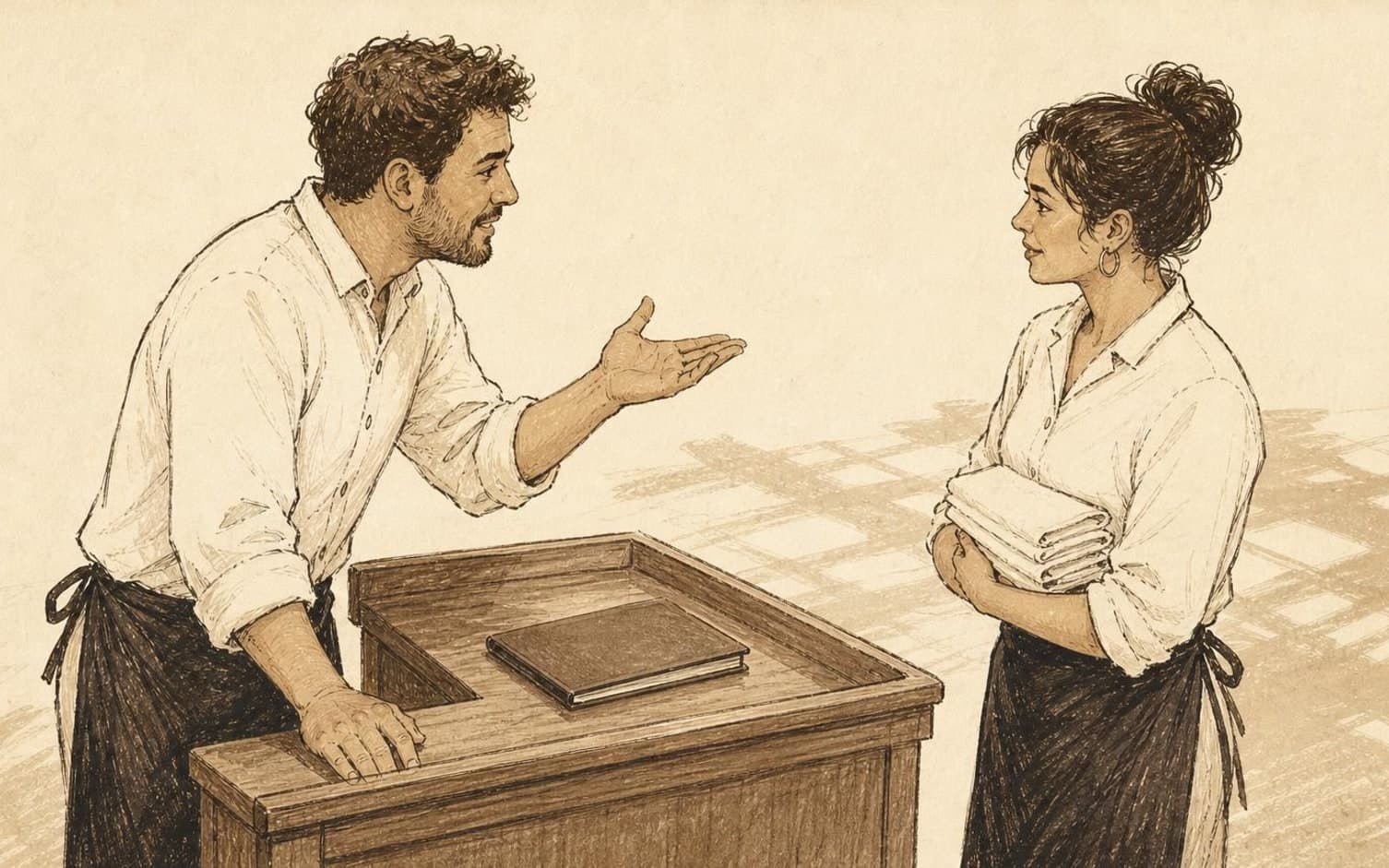
When guest notes grow out of control
A notes field can quickly become a catch-all for everything said at the table, even when the original intention was to keep useful information for the next visit. Comments about stress, clothing or mood can then sit alongside details staff actually need. Without a clear internal rule, it becomes difficult to see what the notes are meant to support during service.
The useful distinction is between a concrete task and a general assessment. A note about table placement, an allergen or practical accommodation gives staff something they can prepare or check. A loose description of the guest provides no clear action. The field becomes easier to use when each entry answers what staff need to do before or during the visit.
Preferences that genuinely improve service
Some notes serve a direct function during service. Allergies and intolerances are the most obvious example, but practical details such as a guest using a wheelchair and needing space at the end of the table, or a table booked with a pram, also let staff prepare before the guest arrives. Notes like these save time and reduce the risk of misunderstandings on arrival.
Other examples include a request for a particular table because it's away from a draft near the door, the need for a booster seat for a child, or a note that a guest wants to sit away from the speaker due to hearing loss. The common thread is that the note answers a concrete question staff may face during the evening, rather than offering a general description of the guest as a person.
Assessments that do not help during service
Details about marital status, work, finances or family circumstances usually give staff no practical task before a restaurant visit. When such details come up in conversation, the internal notes routine can remain simple: record only what is needed for the table, service or an agreed accommodation. Other details can be left out because they do not help the next shift prepare.
Words such as “difficult” or “demanding” are also imprecise and provide no clear instruction. If a specific service agreement needs follow-up, write the agreement itself, such as which table was confirmed or whom staff should contact on arrival. The next shift then receives a clear task rather than an assessment of the person.
Keeping the notes field tidy and useful internally
A simple test is to ask whether the note would be just as natural to say out loud to a colleague before service starts. If it concerns a table, an allergy or a practical accommodation, it belongs there. If it concerns the guest's personality, appearance or private life, it doesn't. This test takes only a few seconds and makes it easier to weed out anything that doesn't contribute to better service.
Also decide who on shift is responsible for updating the notes, and remove information that no longer applies to the current booking. In TableBooking, bookings, guests and floor plans are shown together in the dashboard, so staff find the notes alongside the rest of the booking without having to search separate systems or loose sheets next to the floor plan.
Want to see how it works in practice?
Start with a free restaurant account and build your tables, opening hours and booking link at your own pace.
Start free