No-show guests: a routine for logging, learning and respectful contact
A practical look at how a restaurant can log no-shows in a neutral way, use patterns in operations for internal learning, and reach out to guests in a manner that is respectful and open to explanation.
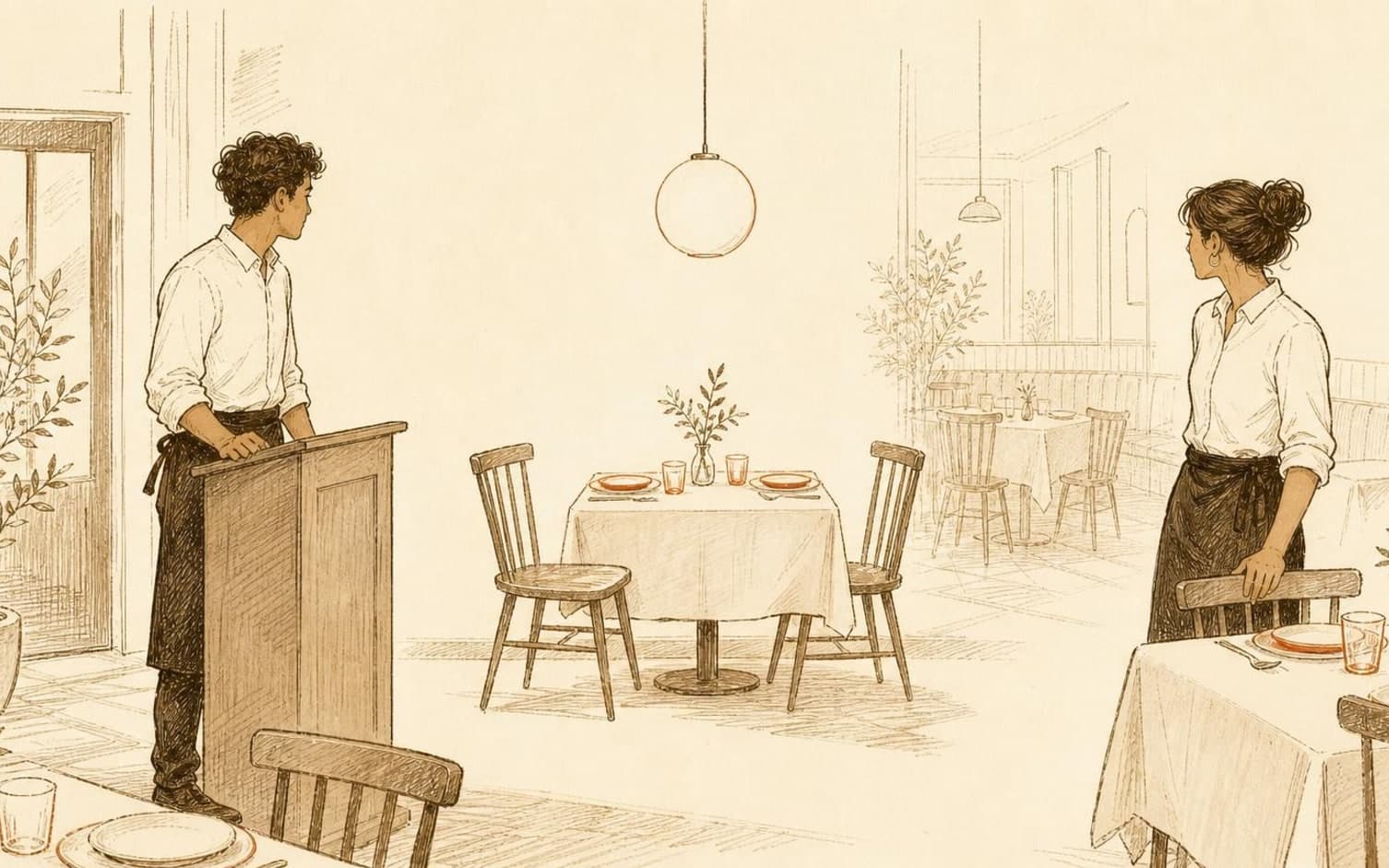
Record what actually happened - not what you assume happened
When a guest fails to show up, it's tempting to jot down a quick comment based on gut feeling. A tidier approach is to note what's confirmed: the booking time, number of guests, which contact details were used, and whether the restaurant tried to reach the guest before releasing the table. These facts provide a neutral starting point for any follow-up.
This logging should happen somewhere staff actually use day to day, so the information doesn't end up sitting in a notepad that gets forgotten after the shift. In TableBooking, the dashboard shows bookings, guests and the floor plan, giving the next shift leader the same overview without needing to ask around among the team.
Look for patterns, not isolated cases
A single no-show says little about a guest. What's more useful is checking whether the same contact details turn up repeatedly over time, and whether the restaurant should ask itself what might lie behind it - is the confirmation clear enough, and is the time window between booking and arrival realistic? A pattern gives a better basis for action than a single incident.
Internal learning works best when it's structured rather than verbal and scattered. A periodic review, where a responsible person looks at logged no-shows as a whole, makes it easier to distinguish between coincidence and recurring patterns. How often this review should happen - weekly, monthly, or as needed - is something each restaurant should decide for itself.
Reach out with a tone that leaves room for explanation
When the restaurant reaches out after a no-show, the purpose is to understand what happened, not to confront. A simple message asking whether everything is alright, mentioning that the table was held until the agreed time, gives the guest room to respond without feeling accused of something the restaurant doesn't have the full picture of.
Wording that assumes the guest deliberately forgot, or that signals irritation, makes it harder to maintain a good relationship afterward. It's more useful to describe what actually happened - the time, the length of the wait - and let the guest offer their own explanation, so the next contact with the restaurant starts without unnecessary tension.
Build a routine staff actually follow
A follow-up process has little value if it only exists in one person's head. Write down the three or four steps the restaurant actually takes - logging, internal review, point of contact - so the routine survives shift changes, sick leave and new hires. A short, written routine is easier to follow than a verbal agreement.
The routine should also be reviewed at regular intervals, not because it's wrong, but because the restaurant's operations change - new opening hours, different table types, more groups. How often the logs should be reviewed - monthly, seasonally, or as needed - is a question the restaurant should decide for itself, based on what suits its operations.
Want to see how it works in practice?
Start with a free restaurant account and build your tables, opening hours and booking link at your own pace.
Start free