How to Log and Follow Up on No-Show Guests
A look at how restaurants can document no-shows neutrally on the same evening, let staff learn from patterns together, and craft a message to the guest that stays brief and open - without resorting to rigid fee policies or legal threats.
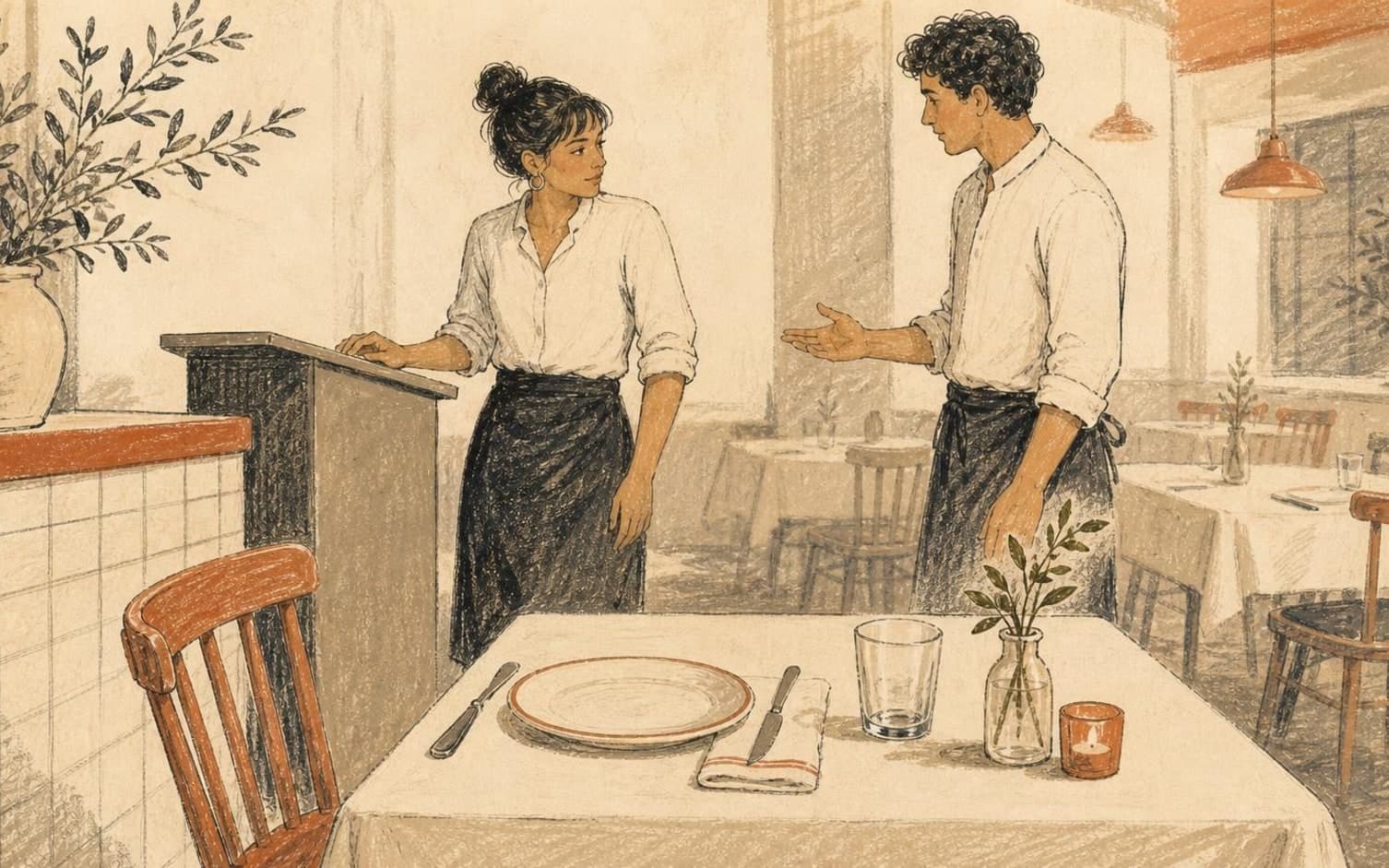
Log the no-show as a fact, not a judgment
When a guest fails to show up, staff should note it directly in the booking system that same evening: the time, the number of guests, which table was reserved, and which channel the booking came through. This information should describe what happened, not why - that detail comes later, if it comes at all.
The wording of the note matters for how other staff will read it weeks later. Phrases like "no-show, no contact before 7 pm" are useful because they're neutral and verifiable. Words that hint at excuse-making or irritation turn the note into an opinion rather than a fact the rest of the team can build on.
From a single night to a pattern: how staff learn together
A brief review - at shift changes or on a set day each week - where staff go through the log together is far more useful than one person forming their own impression over time. The question to ask is whether there's anything the no-shows have in common: a particular time slot, a particular party size, or a particular booking channel.
Not every no-show points to a pattern. A single evening with bad weather or a missed confirmation says little about the guest or the routine. It's when the same situation recurs repeatedly, regardless of shift team or day of the week, that the restaurant has something concrete to adjust internally - without drawing conclusions about individual guests too soon.
Contacting the guest: brief, fact-based and free of accusation
When a restaurant decides to reach out, a short message noting the time and the number of guests booked, along with an open question about whether something came up, is usually enough. The message shouldn't assume an explanation, and it shouldn't imply the guest did anything wrong - only that the restaurant noticed the table stood empty.
The tone should match any other guest communication: friendly, specific, and free of warnings about what happens "next time." A message that closes the door on future bookings, or that dwells on consequences, makes it harder for the guest to respond honestly - and harder for the restaurant to understand what actually happened.
Use the insight to adjust routines, not to judge guests
TableBooking's dashboard shows bookings, guests and the table map in one place, making it easier to look back on a past evening than to rely on a single staff member's memory. This overview is most useful when applied to assessing internal routines - such as timing for reminders - rather than to forming a fixed opinion about individual guests.
Whatever tool a restaurant uses, logging and follow-up should follow the same template for everyone, so that no guest or shift team is treated based on gut feeling. The goal is a routine staff can rely on over time, where the learning feeds back into operations - not into a list of guests the restaurant has decided to distrust.
Want to see how it works in practice?
Start with a free restaurant account and build your tables, opening hours and booking link at your own pace.
Start free