Guest Notes: Task or Judgment?
A practical test for distinguishing guest notes that give staff a concrete task from notes that merely describe the guest as a person, with examples of what helps during service and what should be removed.
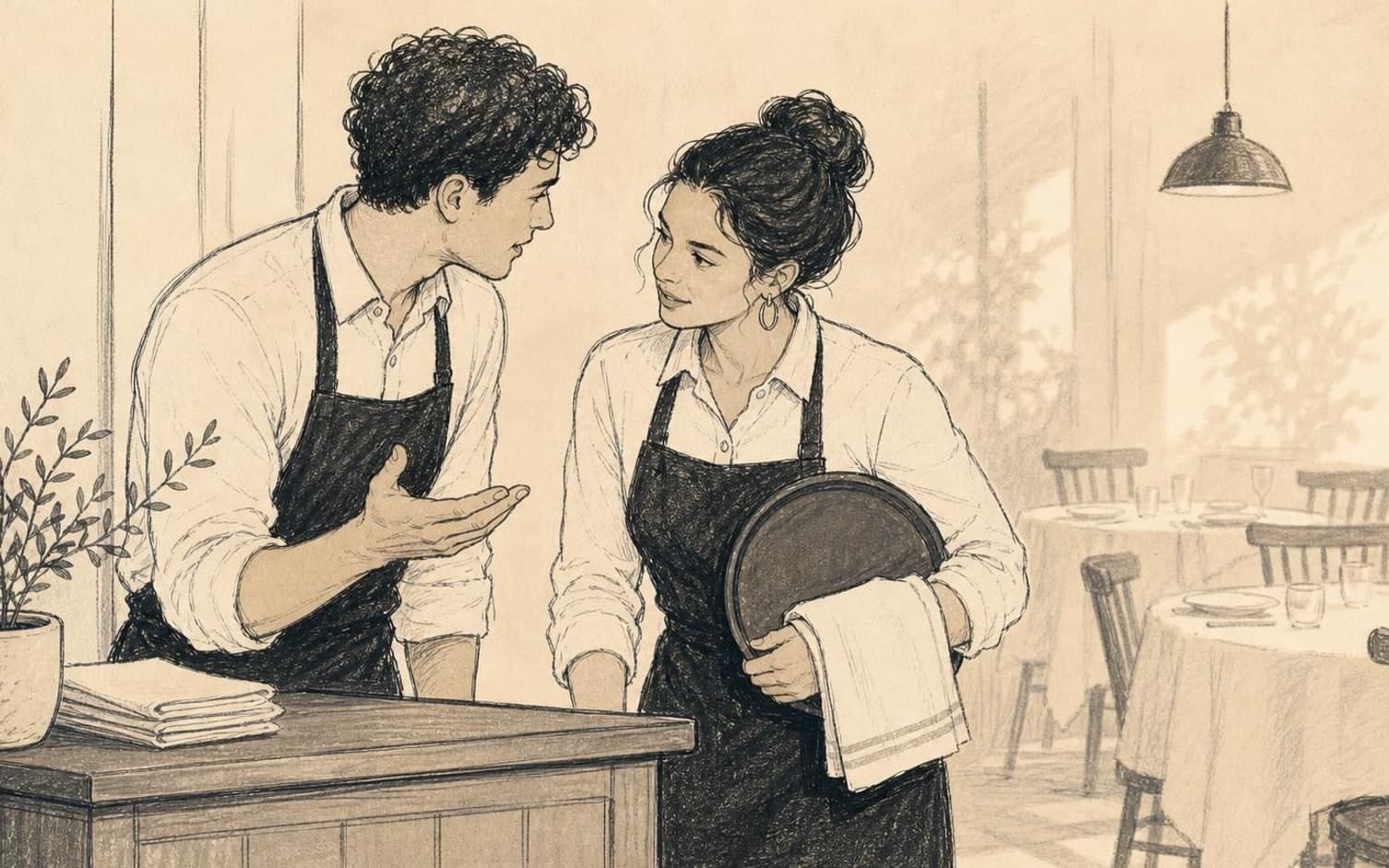
A note should give a task, not a judgment
A guest note is useful when it gives staff something concrete to do - setting the table differently, bringing out a high chair, or alerting the kitchen to an allergy. The test is simple: can a server read the note and know exactly what needs to happen, without interpreting the guest's personality or background? If the answer is no, the note probably doesn't belong in the system.
Many restaurants blend these two categories because both can seem thoughtful in the moment. Writing that a guest 'prefers a window table' is a preference staff can act on directly. Writing that a guest 'seems stressed' or 'talks a lot' is a judgment that leads to no action, and one that could feel uncomfortable if the guest were to read it themselves.
Examples of notes that actually help during service
Practical notes tend to be short and action-oriented. 'Wheelchair, needs space at the end of the table', 'Celebrating an anniversary, does not want a song', or 'Arriving with a pram, to be parked by the entrance' give staff clear direction before the guest arrives. Such notes save time during a busy service, since no one needs to ask the guest again about something they've already provided.
Other examples include allergies with a specified severity level, requests for a particular table due to noise or light, or a need for extra time because of mobility challenges. What characterizes these notes is that they answer the question 'what should we do differently', not 'who is this guest'. That distinction makes the notes easy for anyone on staff to use.
Notes that should be avoided, and why they serve no one
Notes about appearance, presumed occupation, relationship status, or general personality traits give staff no instruction. 'Looks like a celebrity', 'seems wealthy', or 'argued with their partner last time' are observations without a task attached. They say something about the guest as a person but nothing about what the restaurant should do, and they can easily come across as judgmental if a colleague reads them later.
Another common example is notes about past complaints or conflicts written as a warning rather than a description of how the issue was resolved. 'Difficult guest last time' helps no one, but 'moved to a different table due to a draft from the window, solved with a screen' provides a concrete solution staff can reuse. The wording determines whether the note is useful or just a label.
A simple routine for keeping notes relevant over time
Set a firm rule: the note should be readable aloud to the guest without feeling uncomfortable. This test catches most of what doesn't belong in the system, and it's easy to train new staff members on. How often notes should be reviewed, and who is responsible for removing what's no longer relevant, is something each restaurant should decide for itself.
In TableBooking's dashboard, bookings, guest information, and the table map are gathered in one place, so notes tied to a table or a booking are easy for on-shift staff to find and update. When notes are short and task-based, the dashboard becomes a working tool rather than an archive of guests' private lives, making it easier to trust the content from one shift to the next.
Want to see how it works in practice?
Start with a free restaurant account and build your tables, opening hours and booking link at your own pace.
Start free