No-shows: Orderly Record-Keeping, Shared Learning and Respectful Follow-Up
A look at how restaurants can document no-shows neutrally, use shared patterns to adjust their own routines, and reach out to guests in an open, inquiring way - without fixed rules on fees or legal action.
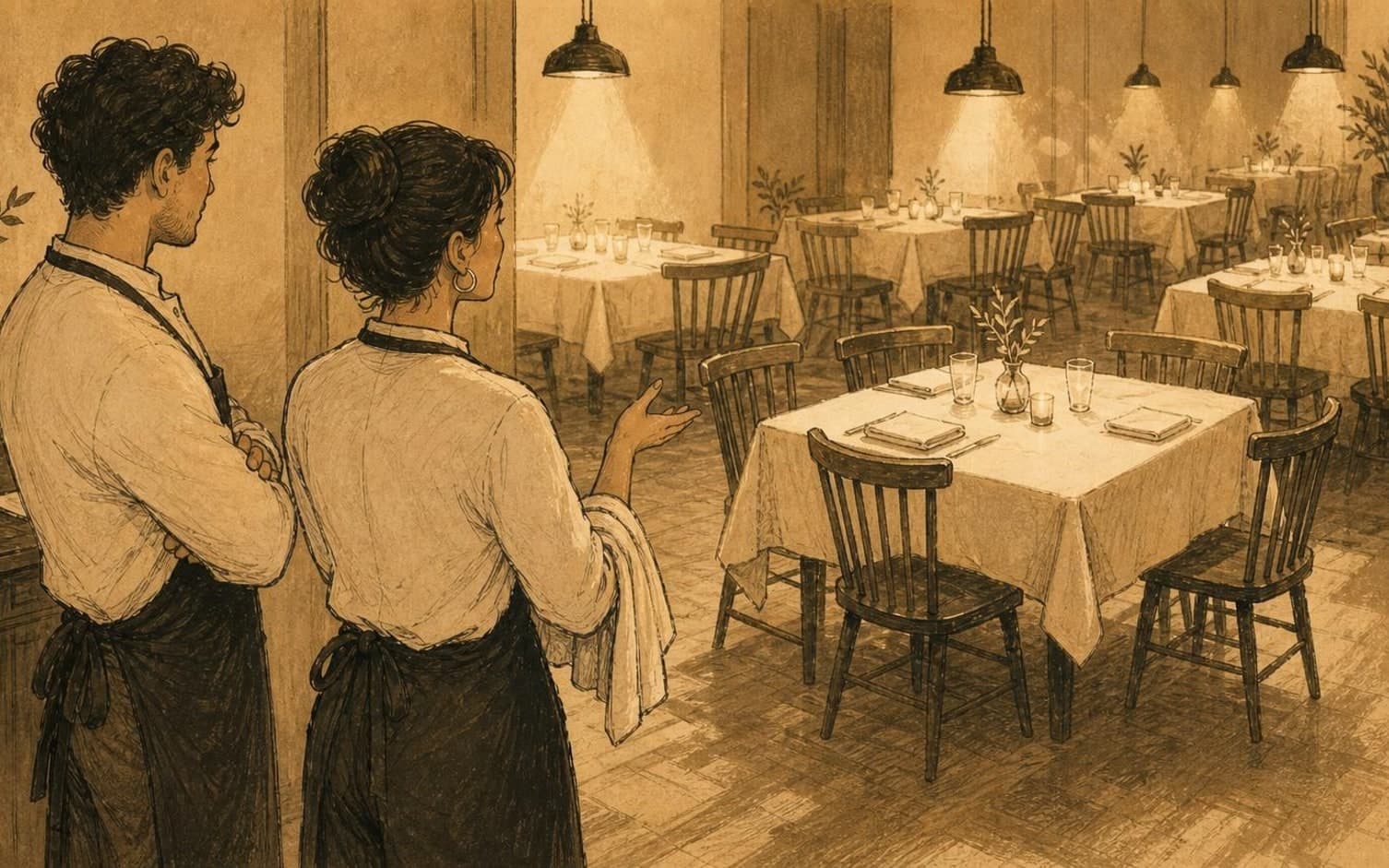
Log the No-Show the Same Evening, With Neutral Facts
When a guest fails to show up, it helps to jot down a few standard details while the evening is still fresh: date, time, party size, which channel the booking came from, and whether anyone tried to reach the guest before releasing the table. Neutral facts are easier to work with later than a general impression from a hectic night.
In TableBooking, the booking and the guest's contact details are already gathered in the dashboard, so the note can be added right alongside them. Since guests use the booking link without creating an account, it's useful to have everything in one place - this makes logging quick without requiring a separate process outside what staff already use.
Look for Patterns Together, Not in Individual Cases
A single no-show tells you little. What actually provides insight is gathering the notes over a few weeks and reviewing them together as a team: are there particular times, days or booking channels that recur? Do no-shows happen more often with large parties, or with bookings made well in advance without confirmation closer to the date?
This review should happen collectively, not as a judgment of individual guests in front of the rest of the staff. The purpose is to adjust your own routines - for instance, when a reminder is sent, or how much buffer is built into the seating plan - not to build a list of guests to be treated differently on their next booking.
Reach Out With an Open Question, Not an Accusation
When the restaurant chooses to reach out after a no-show, it's easier for both parties if the first message is brief and inquiring. A line asking whether everything was alright, or whether the booking was misunderstood, opens the door for an explanation without the guest feeling confronted. There may be a simple explanation that requires nothing further from the restaurant's side.
Timing is also something the restaurant should weigh carefully: should the message go out that same evening, or is it better to wait until the next day once things have settled? Keep the message to one question and one possible solution, such as a new booking time, so the guest can respond easily and at their own pace.
Set a Clear Limit on What Gets Recorded
Not everything surrounding a no-show belongs in a note. Stick to what is directly useful for operations - time, party size and any contact attempts - and avoid assumptions about cause or character. A note that simply describes the event factually is also easier to stand behind if the guest later asks what has been recorded.
Go through the notes at regular intervals and remove anything no longer relevant, especially if the guest has booked and shown up several times since. The information should be used to plan better internally, not to decide whether the guest gets to book again - that's a case-by-case judgment the restaurant makes, not one based on a fixed set of rules.
Want to see how it works in practice?
Start with a free restaurant account and build your tables, opening hours and booking link at your own pace.
Start free